🚀 Introduction
What you’ll learn in this article:
- What WebSocket is and what problem it solves
- Why chat messages and notifications arrive instantly
- How WebSocket differs from traditional HTTP communication
If you’ve ever wondered how web apps feel “alive,” WebSocket is a big part of the answer.
✅ What Is WebSocket?
WebSocket is a communication protocol that keeps the browser and server connected continuously, allowing them to exchange data anytime.
Traditional websites only communicate when the browser asks for something.
WebSocket, in contrast, is more like a phone call—once connected, both sides can talk freely without re-establishing the connection each time.
🎯 Why Does WebSocket Exist?
The goal of WebSocket is simple:
- Deliver information instantly
- Let the server push updates without being repeatedly asked
Common real-world examples include:
- 💬 Chat messages arriving the moment they’re sent
- 📈 Live stock prices or dashboards updating automatically
- 🔔 Notifications appearing without refreshing the page
All of these require real-time communication, which is exactly what WebSocket was designed for.
🤔 What Happens Without WebSocket?
Before WebSocket became common (and still in some systems today), web apps relied on:
- Manual page refreshes
- Polling the server every few seconds: “Any updates yet?”
This is like ringing your friend’s doorbell again and again asking,
“Did I get a message?”
The result:
- Unnecessary network traffic
- Delayed updates
- Increased server load
WebSocket solves this by keeping the door open.
🧩 Common Use Cases for WebSocket
WebSocket shines in applications where data changes constantly:
- 💬 Chat applications (Slack-like web chats)
- 🔔 Notification systems (comments, alerts, mentions)
- 🎮 Online games (player positions, scores)
- 📊 Live data displays (stocks, crypto, analytics)
- 🧑🤝🧑 Collaborative editors (real-time document editing)
Any experience where the page stays open and data updates live likely depends on WebSocket.
💡 Interesting Facts & Practical Insights
1️⃣ WebSocket Starts as HTTP (The Handshake)
WebSocket connections don’t start magically.
They begin as a normal HTTP request and then upgrade to WebSocket.
This initial negotiation is called a handshake.
“First, say hello politely.
If both sides agree, switch to a private, always-on line.”
✅ Technical clarification:
WebSocket uses the HTTP Upgrade header to switch protocols—this is more precise than calling it a “back door.”
2️⃣ Why Read Receipts Feel Instant
When you see read receipts appear seconds after sending a message, it’s because the app maintains a persistent connection.
If the app had to ask the server every time, these updates would feel slower—and waste resources.
3️⃣ WebSocket Is Not Always the Right Tool
Despite its power, WebSocket isn’t universal.
- ✅ Blogs, documentation sites → HTTP is enough
- ✅ Real-time interaction → WebSocket makes sense
Choosing the right tool matters more than choosing the most powerful one.
📚 References & Further Reading
Official Specifications
- RFC 6455 (IETF WebSocket Specification):
https://datatracker.ietf.org/doc/html/rfc6455 - MDN Web Docs — WebSocket API:
https://developer.mozilla.org/en-US/docs/Web/API/WebSocket - WHATWG WebSockets Living Standard:
https://websockets.spec.whatwg.org/
General References
- Wikipedia — WebSocket:
https://en.wikipedia.org/wiki/WebSocket
🛠️ Related Topics to Explore Next
- HTTP Fundamentals
Essential for understanding how WebSocket differs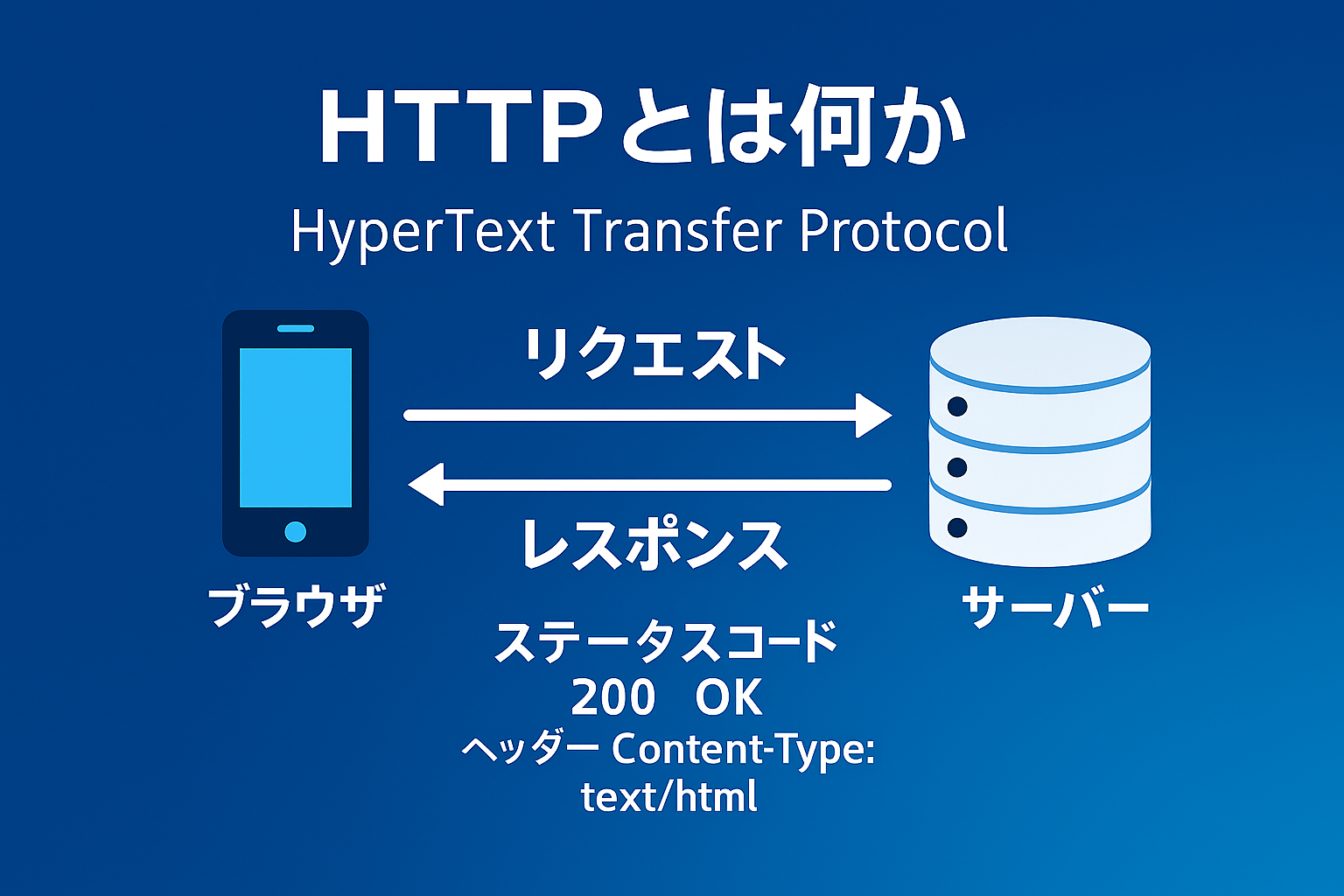
Coming Soon
- HTTP/2 and HTTP/3
How modern web transport continues to evolve - Server-Sent Events (SSE)
One-way real-time updates (simpler than WebSocket) - Building Real-Time Web Apps
Designing scalable chat and notification systems
🎯 Final Takeaways
- WebSocket keeps browsers and servers continuously connected
- It enables instant, bidirectional communication
- Ideal for chat, notifications, and live data
- Reduces polling and network waste
- Use HTTP for normal pages—and WebSocket only when real-time truly matters
Once you understand WebSocket, everyday web apps start to feel a lot smarter.